Trip Report: The Extraordinary Caterpillar
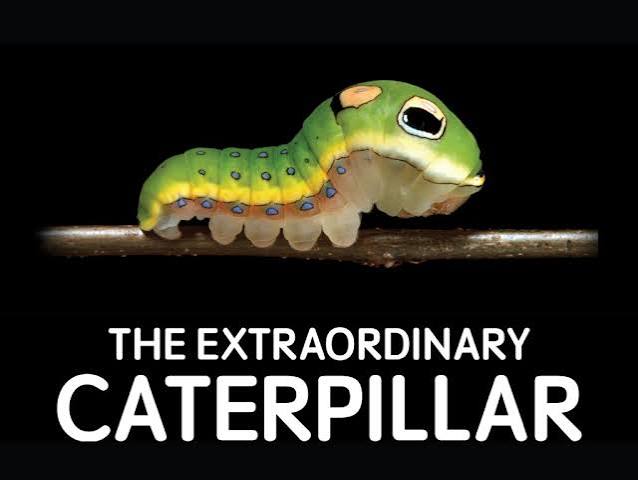
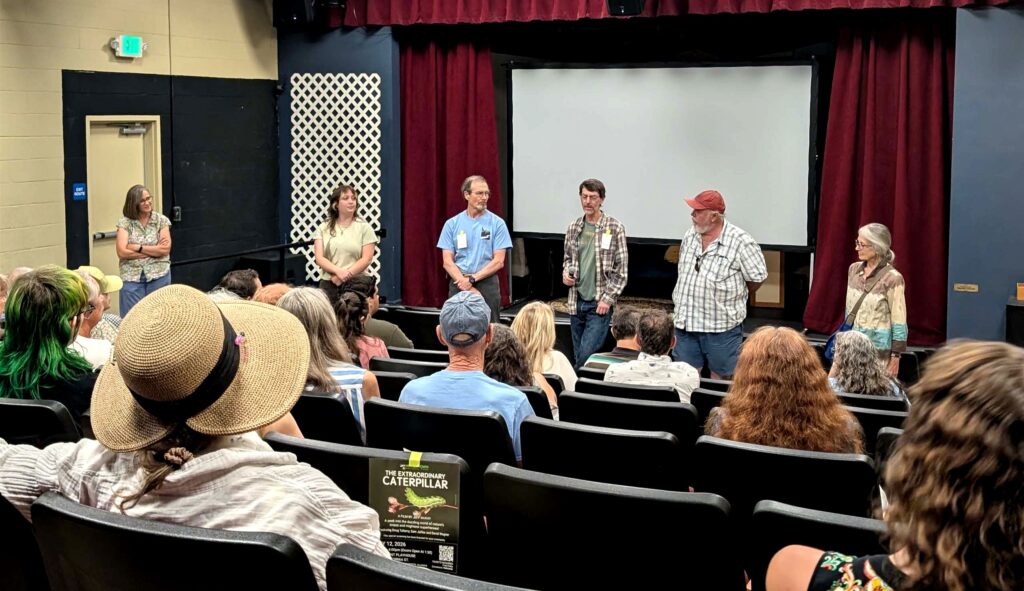
We truly had a blast at our screening of The Extraordinary Caterpillar film at the Riverfront Playhouse on July 12. Along with us were representatives of the Western Shasta Resource Conservation District, the Shasta Chapter of the California Native Plant Society, and Ghost Pine Native Plant Nursery, set up in the lobby hosting a plethora of information, plants and even an in-progress live painting of a monarch butterfly!
After the film we had an entomologist, two native plant experts, a hobby lepidopterist, and a wildlife biologist answer questions from the audience to help us contextualize the film’s information and message locally.
For those who were unable to attend, here are a few of the highlights from the film:
- Caterpillars (the larval form of moths and butterflies) come in an astonishing array of colors, sizes, textures, shapes and designs.
- Some are so amazing at camouflage that it’s unlikely you will ever notice them – looking at you, twig mimics!
- Lepidoptera, the taxonomic order of moths and butterflies, has around 180,000 species, of which only about 10% are butterflies. All hail the mighty moth!
- Beware of the fluffiest of the caterpillars, as they tend to be the most dangerous. Lurking beneath their seemingly plushie exterior are often venomous barbs that will mess you up! Admire them with your eyes and compliments, but maybe don’t pet them.
- Caterpillars are the engines of the food web, converting tremendous amounts of plant matter into protein for birds and other animals. Fun fact: A single nest of chickadees will consume 6000 – 9000 caterpillars to get them to the fledgling stage of development.
Now for the bummer news (sorry!). Caterpillars, along with many other insects, are in severe decline due to habitat loss, overuse of pesticides (especially the neonicotinoid variety), invasive plant species, and climate change. Remember, these guys are the engines of the food web, so this is troubling news for other animals, including us.
The good news is there are some easy and joyful things we all can do to prevent the collapse of the food web:
- Plant supportive native plants in your yard, especially keystone species like oaks, willows, and native cherries (Prunus spp.). Removing some lawn to make space for these plants is a win-win, as they are drought tolerant once established so you’ll save on your water bill too.
- Stop using pesticides, and when buying plants from a nursery, make sure they have not been treated with neonicotinoids. Shift your perspective to see the munched holes in your plant leaves as a good thing – you’re supporting wildlife!
- Leave the leaves! Caterpillars and other insects need the fallen leaf litter for winter protection, and many eat dead leaves as well as green ones.
- Remove invasive plants that are choking out the native ones.
- Hail the mighty moth by turning off your outdoor lights, or putting them on a motion sensor. This includes those charming string lights too – great for a party, but not for leaving on every night.
For more information on protecting caterpillars and biodiversity check out Homegrown National Park.